Why a Roofing Checklist Matters (and Why Most Homeowners Miss Things)
Have you ever started a big home project and realized halfway through you forgot something obvious — like the batteries for the new smoke detector or a replacement light bulb? Roof replacements are the same, only bigger, messier, and potentially more expensive when you overlook details. A roof replacement is one of the most disruptive but valuable investments you’ll make for your home. It’s like doing open-heart surgery on your house: you want the surgeon to have a plan, tools, and insurance.
If you live in northeastern Indiana — maybe in Fort Wayne, Auburn, or Columbia City — you already know our weather can swing from scorching sun to heavy snow. That makes planning even more important. Below I walk you through the 7 things homeowners commonly forget during roof replacements, plus a full checklist and how to manage each item so your project goes smoothly, whether you live in Decatur, Goshen, Kendallville, or one of the other towns we serve.
1. Permits, Codes, and Local Rules
Why permits matter
Skipping permits because “it’s just shingles” is one of the fastest ways to invite trouble. Permits exist to protect you and your neighborhood. Local building departments in places like Fort Wayne, Huntington, and Warsaw check that your new roof meets structural, fire, and energy codes. When contractors pull permits correctly, your insurance claims and future resale paperwork will be cleaner.
What to check in your city
Each city has its own requirements. For example:
-
Fort Wayne may require inspections for tear-off and final installation.
-
A smaller town like Decatur or Roanoke might have different paperwork but still requires a permit for re-roofing or decking replacement.
HOA rules and neighbor concerns
Living in a neighborhood with an HOA? Don’t forget to check architectural guidelines. Color choices, shingle type, and even the height of vents can be regulated. Also, consider letting neighbors know your schedule — I promise they’ll appreciate the heads-up when trucks and ladders show up.
2. The Contract: Scope, Materials, and Change Orders
Be very clear on the scope of work
Contracts can be long and full of jargon. Before work begins, make sure the contract spells out what’s included: tear-off, underlayment, ice-and-water shield in eaves and valleys, drip edge, flashing, ventilation, and clean-up. Don’t assume “standard” means your home will get what you need. If you’re unsure, ask for line-item detail.
Materials, brands, and warranty specifics
Which shingles are you getting? A specific brand or just “architectural shingles”? Certain manufacturers have different quality levels and warranty conditions. If you want CertainTeed Landmark or GAF Timberline, list the exact product and color in the contract. The last thing you want is to open a box and find “brand equivalent” or a different color.
Payment schedule and change orders
How much is due up front? What triggers additional payments? Protect yourself by tying payments to milestones like permit approval, start of tear-off, and final inspection. Also, get a written agreement on how change orders will be handled — including cost estimates and approvals — before the crew begins work.
3. Insurance, Warranties, and Paperwork People Forget
Manufacturer warranty vs. contractor guarantee
One is about material defects and the other is about workmanship. A manufacturer warranty covers defective shingles, while the contractor’s workmanship warranty covers installation errors. Ask for copies of both in writing, and note the start date and duration. Some manufacturer warranties require registration after installation, so don’t forget that step.
Insurance paperwork and claims
If your replacement is tied to a claim (hail or storm damage), keep meticulous records: adjuster reports, photo evidence, receipts, and correspondence. Missing paperwork can delay or reduce your payout. Also, coordinate between your insurer and contractor so everyone knows what’s being replaced and why.
Liens, releases, and proof of payment
If contractors subcontract labor or materials, you can be vulnerable to mechanic’s liens. Ask for lien waivers or releases from the contractor when work is completed and after final payment. This protects you from claims by suppliers or subcontractors later on.
4. Protecting Your Property and Landscaping
Landscaping protection: more than covering plants
Roofing equals falling debris. Shrubs, flowers, and young trees in the drop zone can suffer. Talk with your contractor about protective netting, plywood walkways, or moving delicate plants. In places with large yards like in Warsaw or Garrett, stretched tarps may not be enough — consider moving potted plants inside or to a safer location.
Vehicles, windows, and outdoor items
Don’t forget to move cars, motorcycles, and outdoor furniture away from the house. Protect windows from flying nails and debris; some contractors tape or board them as needed. If your driveway is narrow, discuss where the crew wants to park and where they’ll place dumpsters.
5. Interior Protection and Attic Access Left Untouched
Protecting the attic and ceilings
Roofers will spend time on your attic. Dust, nails, and insulation particles move around during tear-off. Ask contractors to cover attic floors with plywood or protective sheeting, close off HVAC vents to avoid dust transfer, and be mindful of interior ceilings, lighting fixtures, and attic-stored items.
Checking for interior leaks or stains first
Before the crew starts, photograph and mark any interior stains or soft spots in ceilings. That gives you an accurate “before” record in case troubles arise later. If a leak appears later, you’ll know whether it’s new or preexisting.
6. Ventilation, Insulation, and Attic Health
Why ventilation is not optional
Proper ridge vents, soffit vents, and attic insulation are a system. Bad ventilation traps heat and moisture, shortening shingle life and promoting mold. If your attic insulation is old or compressed, adding new insulation during a roof job can pay dividends by lowering energy bills.
Common ventilation issues homeowners miss
Homeowners often focus on shingles but ignore soffit and ridge vent conditions. A new roof with old poor ventilation equals a repeat problem. If you live in places with cold winters like Churubusco or Huntertown, ensure your ventilation plan includes cold-weather protection like ice-and-water shield in eaves.
7. Flashing, Skylights, Chimneys, and Other Details
Flashing: the small parts that fail big
Flashing is metal; it channels water around chimneys, valleys, skylights, and vents. If flashing is old, corroded, or improperly installed, you’ll face leaks. Ask for new flashing where needed and ensure the contract includes flashing replacements in critical areas.
Skylights, chimneys, and roof-to-wall junctions
Skylights are great light-makers but notorious leakage points when they age. Make sure skylight curbs get inspected and flashed properly. Chimneys often need a counterflashing detail by a mason or roofer — don’t let the contractor skimp on that step.
Drip edge, ice & water shield, and underlayment
These elements may feel minor, but they’re critical. Drip edge protects eaves and fascia; ice & water shield prevents eave and valley leaks in freeze-thaw cycles; quality underlayment adds a backup layer of defense. Confirm their use in the contract, especially in Indiana winters.
8. Roof Decking and Structural Concerns
Don’t assume decking is fine
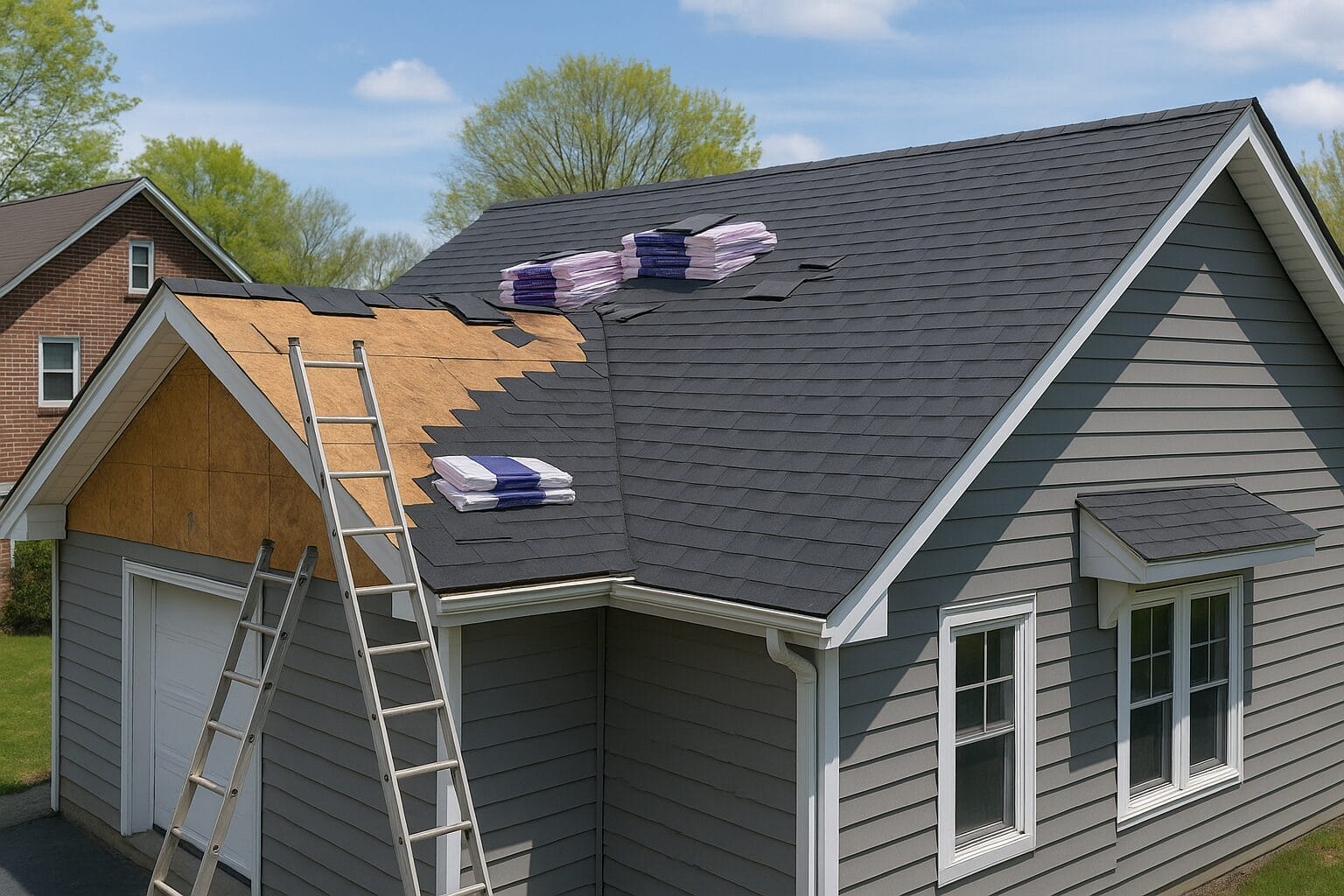
Shingles hide the deck. During tear-off, contractors should inspect the plywood or OSB deck for rot, delamination, or inadequate fastening. Plan for decking repair or replacement in your budget. Nothing ruins a good shingle install like compromised decking beneath.
Signs of hidden damage to watch for
Look for sagging rooflines, soft spots in the attic, or visible rot around eaves and chimneys. If the house had leaks, water might have compromised rafters or sheathing. Ask the contractor to flag these issues early with a written estimate for repairs.
9. Gutters, Downspouts, and Site Drainage
Gutters often get ignored until the project ends
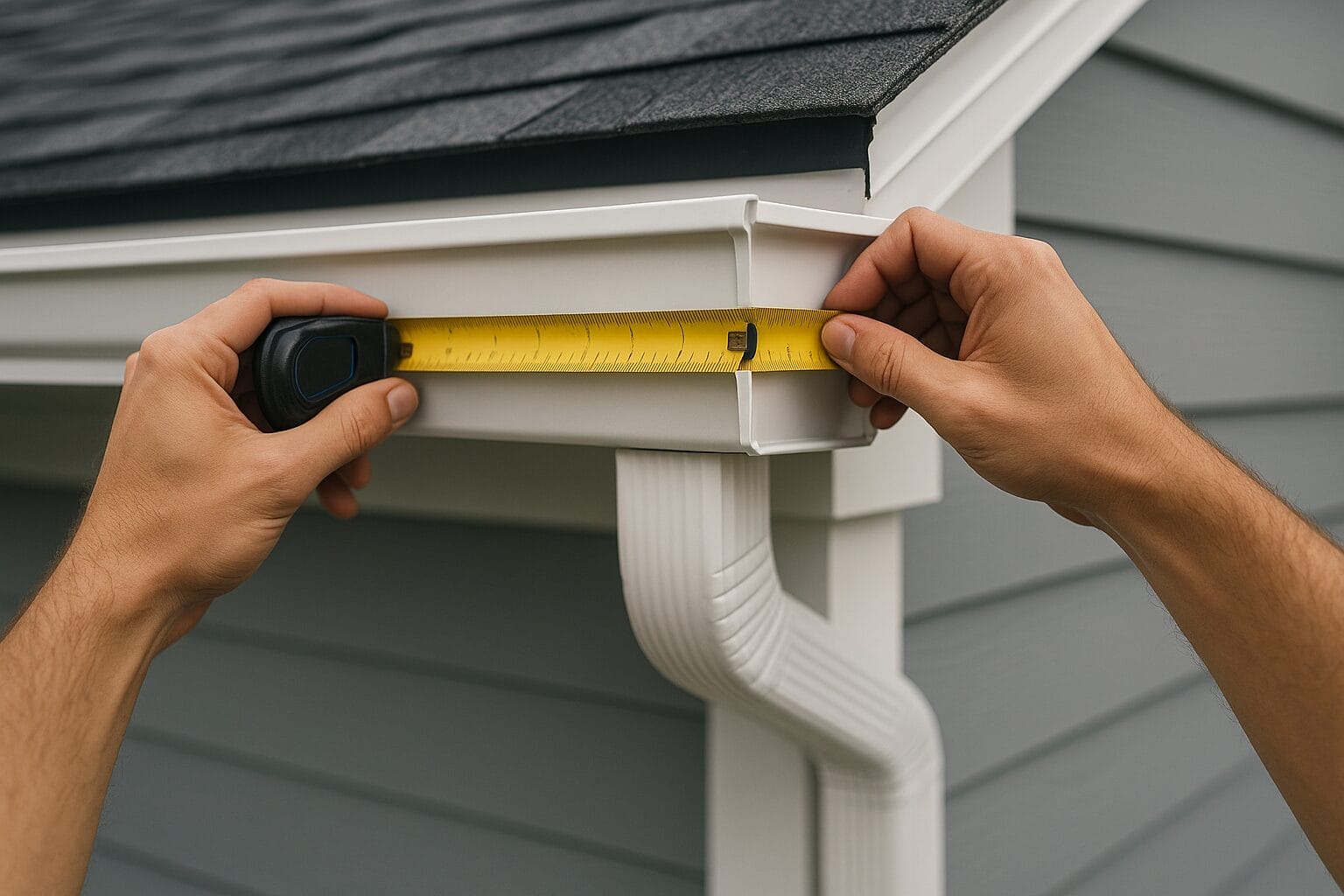
Gutters should be inspected before and after replacement. Roofing work can dislodge or bend gutters. Ask whether the contractor will reattach existing gutters or if they recommend new ones, especially if your home has older or undersized gutters.
Downspout extensions and grading matter
New shingles help water shed off the roof, but where does it go? Downspouts should move water at least 4–6 feet away from the foundation or into drains. If your yard slopes toward the house, consider regrading or adding extensions to avoid foundation water problems later.
10. Waste Removal, Magnet Sweeps, and Post-Job Cleanup
Nails and debris: they hide in grass
Contractors should perform magnet sweeps of the yard and driveway after each day of roofing. Nails can puncture tires, injure feet, and rust into your lawn. Ask how often they sweep and whether they manage debris removal daily.
Dumpster placement and neighborhood courtesy
Where will they place dumpsters and waste piles? In neighborhoods with tight driveways like some parts of Leo-Cedarville or Woodburn, clear communication prevents blocked driveways and neighbor complaints. If you prefer dumpsters off-street, discuss logistics beforehand.
11. Communication and Timeline Expectations
Weather and timing: the unpredictable variables
Roofing timelines depend heavily on weather. In the Fort Wayne region, sudden storms or heavy winds can halt work. Ask your contractor for a realistic schedule that includes buffer days for weather. A clear timeline keeps expectations aligned.
Daily updates and point of contact
Designate a single point of contact with your contractor. Ask for daily or end-of-day updates, especially when significant milestones are completed (tear-off, decking repairs, shingle installation). This reduces surprises and helps you plan around noise and access restrictions.
12. Safety Measures and Crew Insurance
Proof of insurance and workers’ compensation
Always ask for certificates of insurance. If a worker gets injured on your property and the crew lacks proper coverage, you could be on the hook. A reputable contractor will provide proof of general liability and workers’ compensation without complaint.
Site safety for families and pets
Keep kids and pets away from work zones. Ask the crew where to safely park and which doors or gates they’ll use for access. Also, request that they secure ladders and materials at the end of each day to prevent accidents.
13. Final Inspection, Punch List, and Documentation
Don’t pay final until you do a walkthrough
After the job is complete, perform a thorough walkthrough with the project manager. Check flashing, vents, ridge caps, gutters, and visible decking repairs. Compile a punch list of any incomplete or unsatisfactory items and set a deadline for resolution before releasing final payment.
Get everything in writing
Ask for a final invoice, signed warranties, manufacturer product sheets, and any maintenance tips. Keep these documents in your home file — you’ll need them for insurance, future claims, or resale.
14. Seasonal Considerations and Best Times for Roof Replacement
Optimal months in Indiana
Late spring through early fall often offers the most consistent weather for roofing in northeastern Indiana. However, fall can be busy with contractors. If you need a roof in winter, be aware that low temperatures make shingle sealing more challenging and timelines can extend due to snow and ice.
How seasons affect materials and warranties
Manufacturers have temperature recommendations for shingle application. Adhesive strips may not seal properly in colder temperatures. If you choose winter roofing, insist on proper installation techniques and extended inspection for sealed tabs once temperatures rise.
15. Choosing the Right Contractor: Local Experience Matters
Local reviews and references
Ask for references from local homeowners in towns like Auburn, Garrett, or Waterloo. Local contractors know regional weather, building departments, and nuances like typical ice dam problems in specific neighborhoods. Check online reviews but weigh them alongside direct references and in-person impressions.
Questions to ask and red flags
Ask for:
-
License and insurance documentation
-
Local references and recent project photos
-
A written contract with clear payment milestones
Red flags include high-pressure sales, unusually low bids, lack of documentation, and contractors unwilling to provide references or insurance proof.
Practical, Printable Roofing Checklist You Can Use
Here’s a condensed checklist you can print and use when planning your roof replacement. Keep it on your fridge or email it to your contractor before work starts.
-
Confirm permit pulled with local building department and inspection dates.
-
Get a detailed contract: materials, brands, colors, underlayment, ventilation plan, flashing, drip edge, and gutters.
-
Verify proof of insurance and workers’ compensation for the contractor.
-
Request manufacturer and workmanship warranties in writing; note registration steps.
-
Document attic and ceiling condition with photos; protect interior with sheeting.
-
Plan for landscaping and vehicle protection; move plants and cars out of the work zone.
-
Confirm dumpster placement and daily debris removal plan, including magnet sweep schedule.
-
Inspect and document flashing, skylights, chimneys, and valley details before work begins.
-
Ask for a decking inspection during tear-off and written estimates for decking repairs.
-
Verify gutter and downspout plan — reattach, repair, or replace as needed.
-
Establish a communication plan: point of contact, daily updates, and timeline with buffer days.
-
Complete a final walkthrough and punch list before final payment; collect all final paperwork.
Common Pitfalls and How to Avoid Them
Let me be blunt: most problems come down to communication and documentation. If you don’t document what you expect, you’ll frequently get what you didn’t expect. Here are the typical pitfalls and fixes:
-
Assuming “workmanship warranty” covers everything — Fix: get specifics in writing and understand durations and exclusions.
-
Underbudgeting for decking repairs — Fix: set aside 10–25% of the roof cost for unexpected decking or structural issues.
-
Neglecting perimeter items like gutters and grading — Fix: plan drainage improvements at the same time to avoid future water problems.
-
Choosing solely on price — Fix: weigh experience, reviews, insurance, and contract clarity alongside cost.
How We Handle Roof Replacements Locally
If you’re in Fort Wayne, New Haven, Huntington, or any town listed above, a local contractor should be deeply familiar with regional concerns — from spring storms to ice dams in winter. Local crews can often get permits faster, know local code quirks, and have references nearby. That local knowledge saves time and money and reduces headaches.
Quick tips for homeowners in our service area:
-
Fort Wayne: Watch for insurance adjuster discrepancies — take photos before and after storms.
-
Auburn & Kendallville: Prepare for strong springs; ensure valleys and flashing are top-grade.
-
Wolcottville & Warsaw: If you have lots of trees, budget for extra cleanup and magnet sweeps.
What to Expect During Each Phase of the Project
Knowing the typical stages helps reduce anxiety. Here’s a simple timeline:
-
Pre-Job: Permits, contract signing, material orders, site prep (protect landscaping, move vehicles).
-
Day 1: Tear-off and decking inspection — expect noise and debris; magnet sweeps in the evening.
-
Day 2: Repairs to decking and installation of underlayment, ice & water shield, and drip edge.
-
Day 3: Shingle installation, ridge vents, and flashing; final cleanup and magnet sweep.
-
Final: Walkthrough, final inspection if required, collect warranties and final invoice.
How to Keep Your Roof Warranty Valid After Installation
Warranties sometimes have maintenance requirements. To keep your coverage active:
-
Follow the manufacturer’s maintenance instructions (e.g., clean debris, avoid walking on shingles when possible).
-
Be sure any repairs are done by approved contractors if required by the warranty.
-
Register the warranty if the manufacturer requires registration after installation.
Summary
Roof replacements are major home projects that require more than just picking a shingle color. The seven big things homeowners commonly forget — permits and codes, contract specifics, insurance and warranties, property protection, attic and interior precautions, ventilation and flashing details, and final cleanup/documentation — can all be managed with a thorough checklist and clear communication. If you live in Fort Wayne, Auburn, Decatur, or one of the other towns we serve, local knowledge helps smooth the process. With a smart plan and proper documentation, you’ll get a safe, durable roof without unnecessary surprises.
Frequently Asked Questions (FAQs)
-
1. Do I need a permit for a roof replacement?
Yes. Most cities, including Fort Wayne, Auburn, and Kendallville, require permits for roof replacements. Verify with your local building department and ensure your contractor pulls the permit. -
2. How long will a typical roof replacement take?
For most average-sized homes, 1–3 days is common for tear-off and installation, assuming good weather and no significant decking repairs. Larger homes or those with multiple stories take longer. -
3. Will my insurance cover a roof replacement?
It depends on the cause. Storm or hail damage may be covered; normal wear usually isn’t. Document damage, get an adjuster inspection, and keep all receipts and photos for claims. -
4. Should I replace gutters at the same time?
It’s often smart. Roofing work can dislodge gutters, and installing new gutters at the same time prevents coordination headaches and ensures proper drainage off the new roof. -
5. How do I verify a contractor’s insurance and references?
Ask for certificate of insurance showing general liability and workers’ compensation, and request local references. Call those references and, if possible, drive by completed jobs to see the work for yourself.